Tension Measurement – Selection Guides
- Home
- Selection Guides
- Tension Measurement
Tension Measurement
Checkline Europe's Technical Support
10 Jul 2026
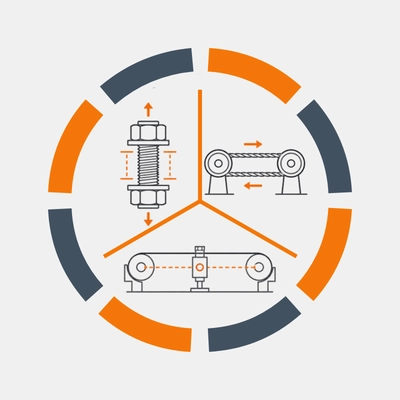
Choosing for tension starts with what is under load and whether you can get to it. Checking the tension in a running material, verifying the preload in a critical bolt, measuring an installed cable or drive belt, adding a sensor so a control system can hold tension automatically, and calibrating any of these are different problems, each with its own instruments. Pin down which of those fits your task — a running thread or web, a fastener, an installed cable or belt, a point on a line where you want continuous readings, or a calibration need — and the right tension meter falls out of that answer.
1. Measurement Contexts
- Tension Meters if you are measuring a running material — thread, yarn, wire, tape, foil or moving web — with a handheld or bench meter.
- Bolt Tension if you need to verify the preload in structural or safety-critical bolts by ultrasonic measurement, including which monitor and field accessories to use.
- Cable, Wire Rope, Belt and Strap Tension if the thing under tension stays in place — installed cables and ropes, drive belts, or cargo-lashing straps.
- Tension Sensors and Electronics if you are building tension sensing into a line — continuous readout, alarms, an analogue output, or a feed into a control system.
- Tension Calibration if you are deciding between reference equipment, in-house checks and external calibration support.
2. Related Knowledge Resources
The mechanics of tension itself sit behind these routes; Tension Measurement spells those principles out.